

Recently, I’ve been doing some thinking about how certain musical and visual styles are co-opted or adapted into different forms. This began from a half-baked thought about Contemporary Christian Music and how rock styles are used in that genre. But it reminded me of how rap was used in advertising in the 1980s.
A quick search on YouTube yielded a bunch of really hokey commercials, and weirdly, a lot of middle-aged “suits” rhyming offbeat to ridiculous “lyrics”. Looking back at some of these commercials, it’s a reminder of how silly rap was in its early years and Biggie’s passion for the form, despite its zaniness. A notable one from the pack is this Miller Lite commercial with comedian Joe Piscopo imitating a Heavy D or Fat Boys-like character. This commercial borders on a form of blackface viewing it today.
Further searching uncovered a compilation of Sprite commercials. The brand has crafted a long running advertising strategy that incorporates hip hop and street culture. Sprite has cultivated this image through a variety of different types of campaigns including sponsoring artists and designers. I was surprised to learn just how many hip hop artists they’ve worked with over the years. In these commercials appear acts like the real Heavy D, Missy Elliot, and Drake. This was a pleasant discovery and Sprite continues to collaborate with hip hop artists today. Most recently, they released a limited edition flavor to celebrate hip hop’s 50th anniversary.
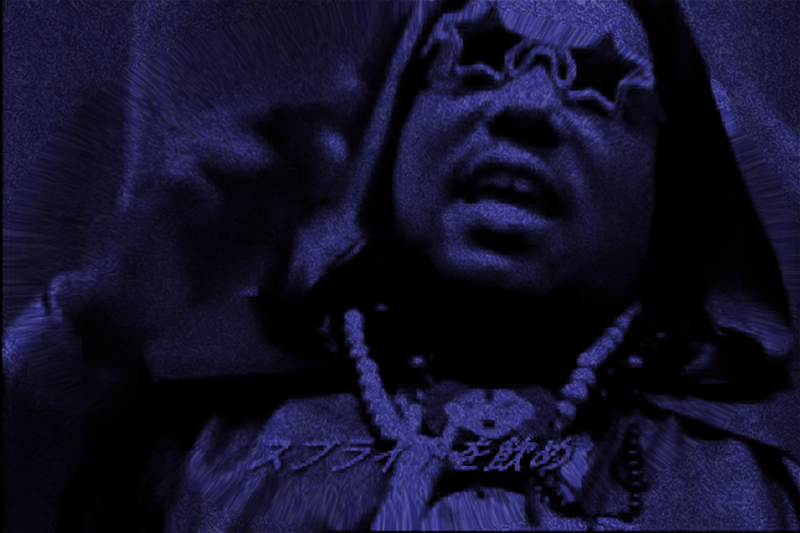
My favorite Sprite commercials are fromt the Sprite + Voltron campaign featuring Afrika Bambaataa, Common, Fat Joe, Goodie Mob, and Mack 10. The commercials combine animation and live-action sequences taking place in the Voltron universe. It’s also a fun example of the crossover between anime and hip hop culture. Each mini adventure to save the world urges us all to “Obey Your Thirst”.
This all begs the question, what is the best way to adapt different musical and visual styles for commercial message? Intent and motive is a big part of the equation. One can hear the disingenuous character of middle aged men rapping about how great their car dealership is. Even Smokey the Bear understands how contrived this can be in this meta commercial. However, I do believe that when done appropriately, crossover adaptations can yield innovative results. Of course, this idea needs a lot more articulation and there are many writers who’ve contemplated this type of cultural exchange. For further reading on the mechanisms of co-option and subculture robbery by corporate interests, I recommend the book “The Conquest of Cool” by Thomas Frank.
Signing off…